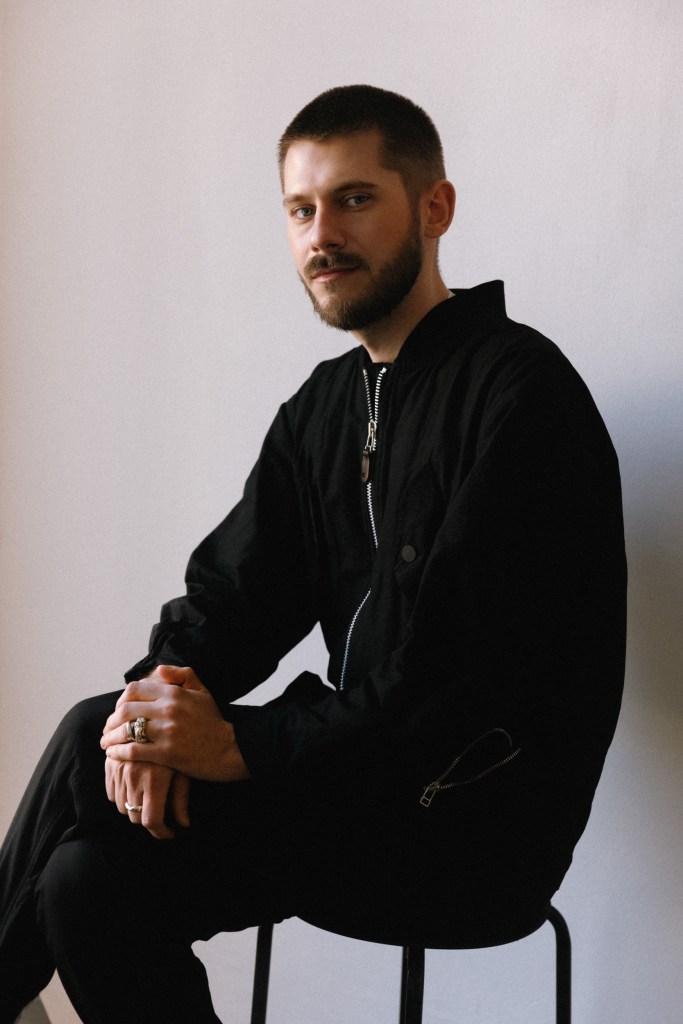
Michał Leszuk is a freelance curator based in Vienna. Alongside his master’s studies in Contemporary Art Theory at Goldsmiths, University of London, he worked at Camden Art Centre and White Cube in London. He joined Kunstverein Kevin in 2022 and was named co-director, together with Gina Merz, in 2025. He is currently a visiting lecturer in Expanded Museum Studies at the University of Applied Arts Vienna. His texts have appeared in e-flux, Kunsthalle Wien, TQW Magazine, NOIA Magazine, Deleuzine, and HERO Magazine, among others.
Restaurants
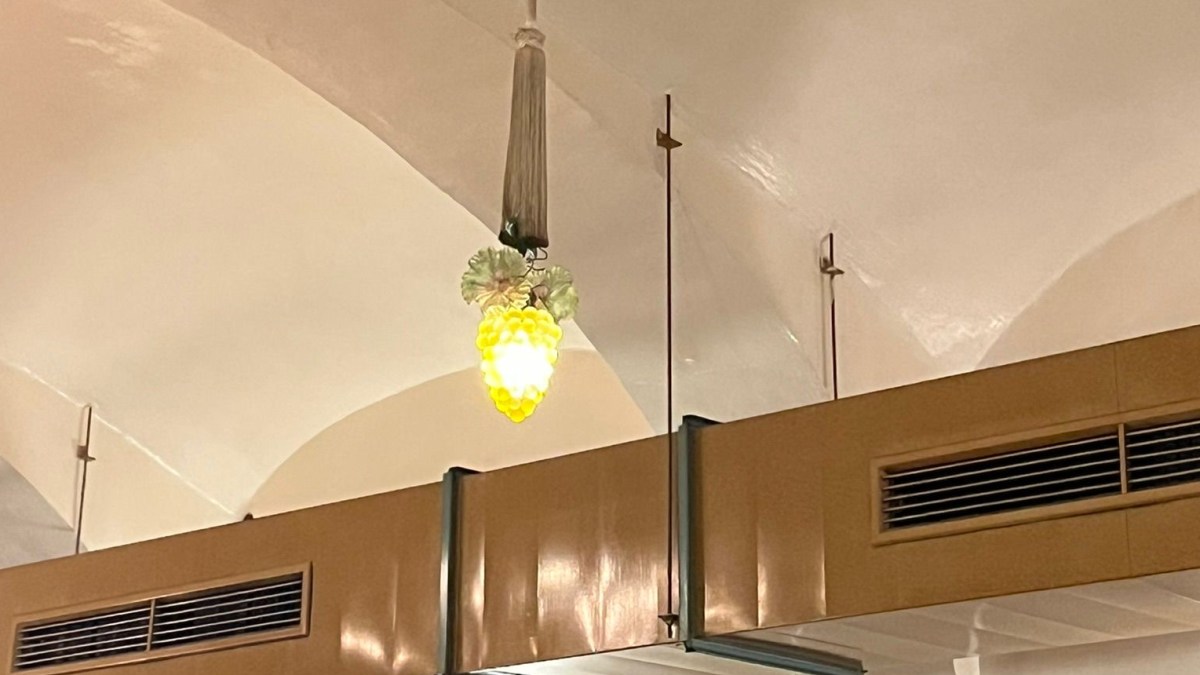
When you’re craving a proper Schnitzel, Salzamt is the place—just don’t expect to slip in unnoticed. It’s tucked into Ruprechtsplatz, right across from the city’s oldest church, and this is where Vienna’s art crowd tends to end up. The space hasn’t changed since 1983, when Hermann Czech did the interior—white tablecloths, Art Deco chandeliers—and the restaurant’s name (“salt office”) is a hand-me-down from its earlier life as the Habsburgs’ salt-taxing office. My personal favorite: Pierogi!!!
If you want something less grand and more no-frills, Mamamon Thai Eatery is it. It’s a closet-sized spot on Albertgasse with one long communal table in the middle, so you’ll be sharing your meal with strangers whether you planned to or not. The eatery is run by Piano and her family—its name is actually a tribute to Piano’s mother, Mon—and the food tastes like it: home-style Thai, not a restaurant’s idea of it. Tip: make sure you don’t go there starving, as tables can take a bit to free up.
Coffee shops
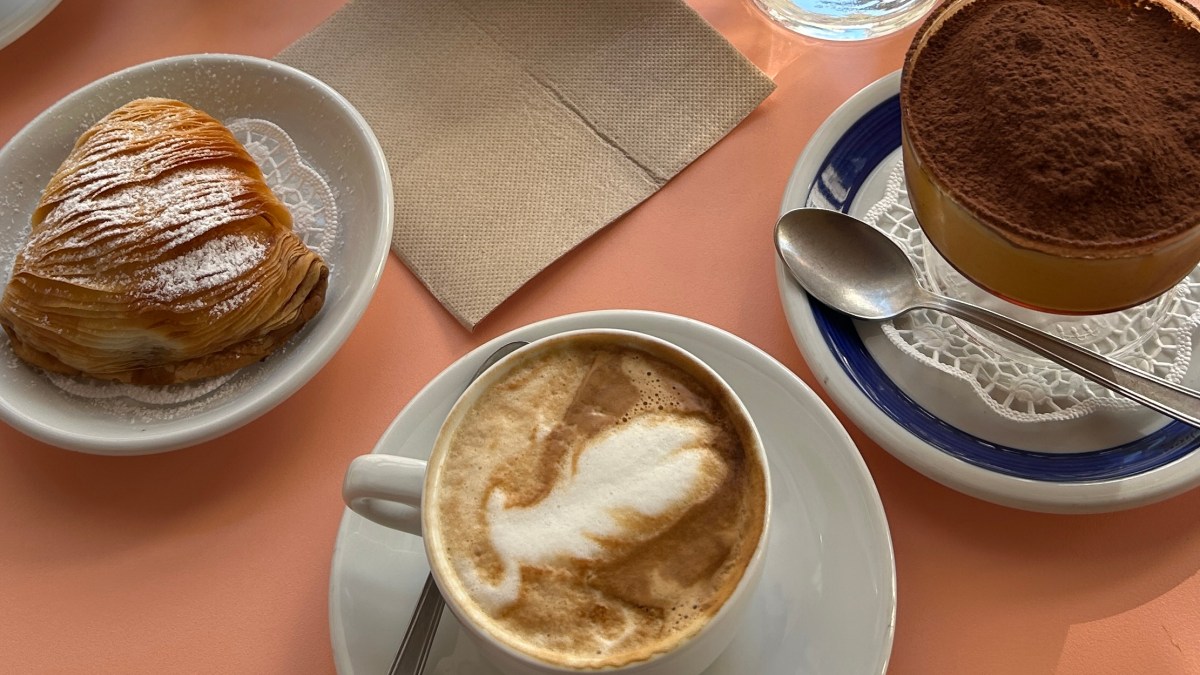
Grab your Sunday morning coffee at alice, housed in what used to be a Viennese dairy—you can still see its former name, “TRÖSCH III,” painted above the door. Take your coffee and a pastry to go and walk over to the canal close by. The menu is a bit of an Italian-Danish mash-up—their tiramisu is divine—and their pastries are some of the best in town.
Right in the middle of the 1st district, Die Cafetière is an easy stop to catch your breath between seeing exhibitions. The front room used to belong to Naber, an old Vienna coffee roastery, back when it ran as a stand-up espresso bar. The current owner restored the place, keeping its old bones, and added a modern touch: a ceiling painted in a bright pattern. Walk through the tiny kitchen and you land in the back room, where you can sit on mid-century furniture—most of it is for sale, if a chair catches your eye.
Bars
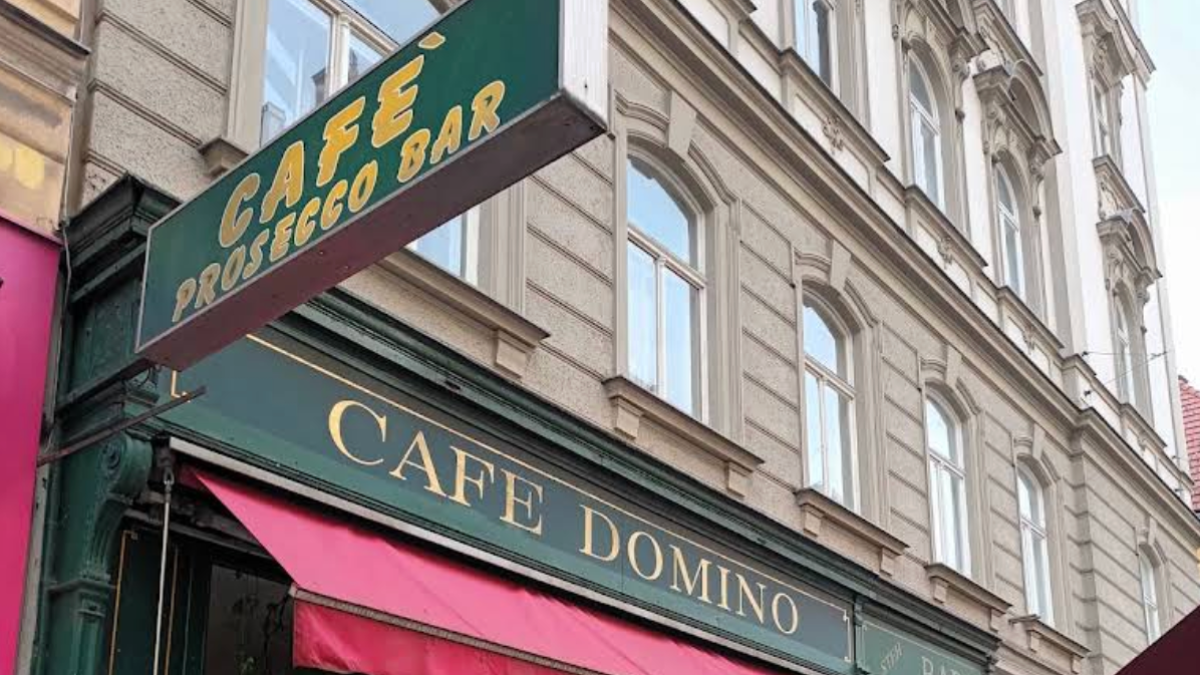
Prosecco Bar is a low-key Beisl (‘bistro’) on Lerchenfelder Straße that became a cult spot without anyone planning it—the owner says she didn’t even put it on Google Maps herself (very Viennese), someone else did. There is essentially one drink on the menu: prosecco on tap from Italy, served in a room that’s kept its old Viennese pub character. This is not a place for sipping. Careful, the prices may have you leaving quite tipsy.
Movie theaters
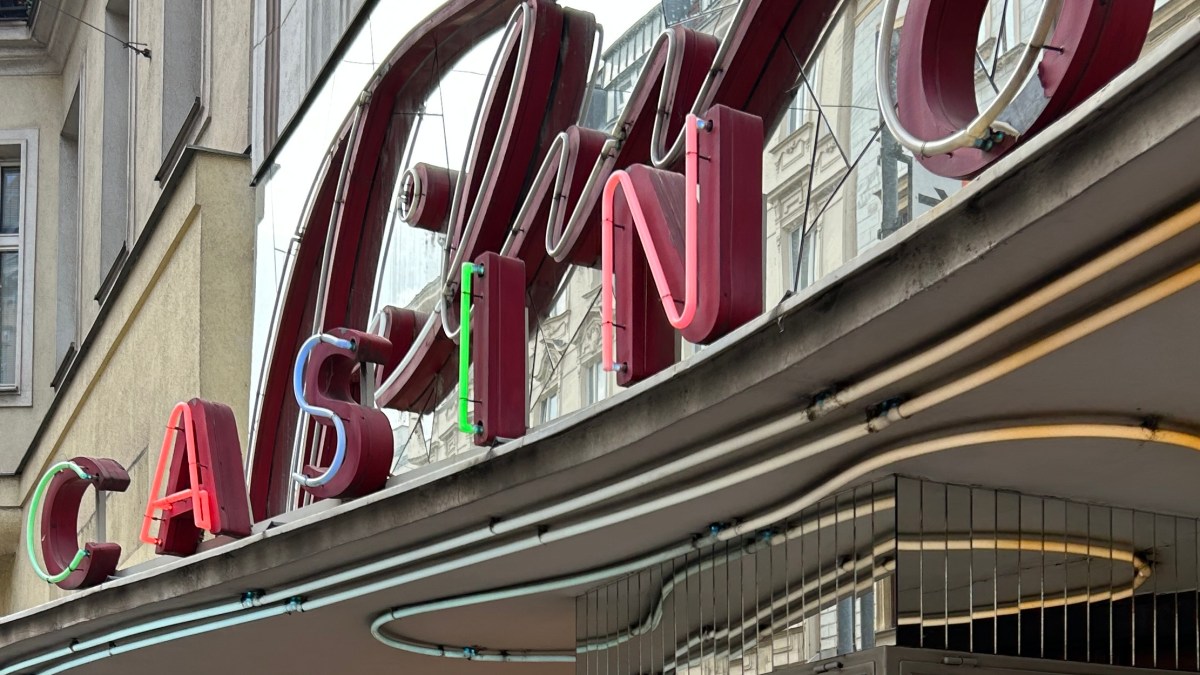
Vienna has some genuinely beautiful old cinemas, and Filmcasino is my favorite. It’s my go-to for arthouse screenings, in a room that is still full of fifties character—it was redone in 1954 by architect Albrecht F. Hrzan and has barely changed since. Even the ceiling has its own small history: when the cinema was restored again in 1989, artist Johanna Kandl repainted it after the original had become too shabby.
Pools, spas, bathhouses
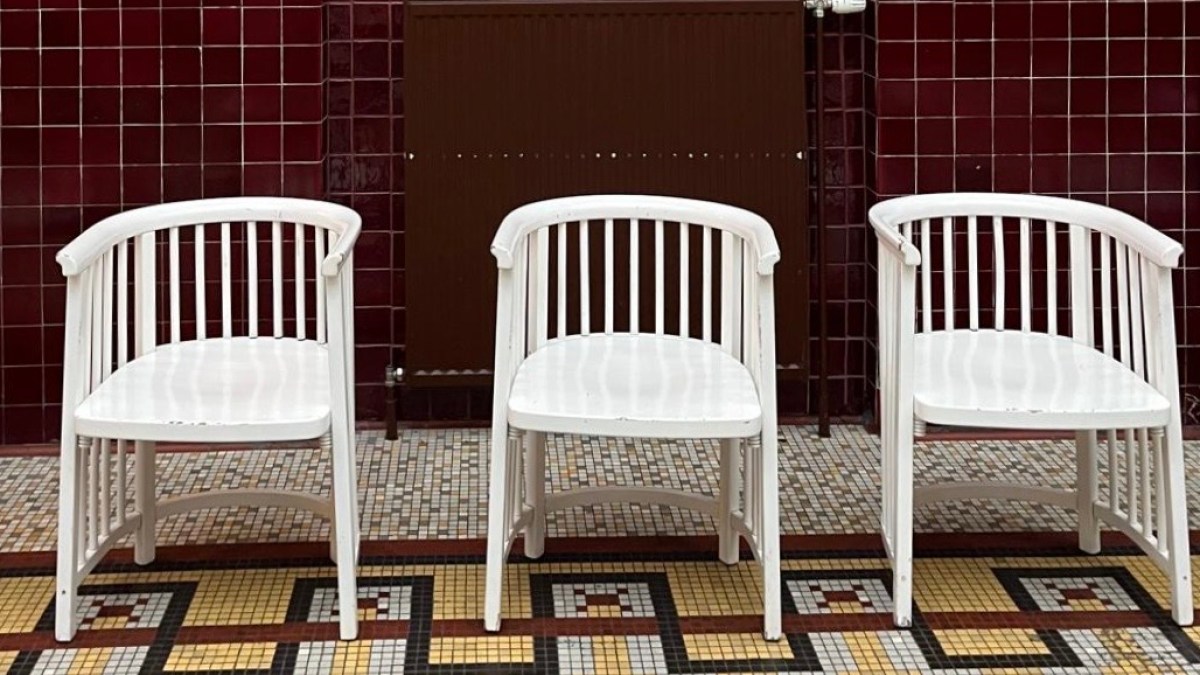
Make sure to pack your Speedos or a swimsuit when you travel to Vienna—the city’s public pools and saunas are a category of their own here. Don’t miss out. Jörgerbad is one of them: Vienna’s oldest operating indoor pool, built in 1912–14 in a late-Secessionist, Wiener-Werkstätte style. The best part is architectural—open galleries on the first and second floors let you look straight down onto the pool, so swimming here always has an audience.
Amalienbad is another one, and honestly I’d go there just to look around, not even to swim. Every corner has something—the architects modeled the interior on a Roman thermae and dressed it entirely in Art Deco style, so you get a round, mosaic-floored warm pool ringed with columns, colorful tiled walls, and many small details that you notice over time. It’s less a swimming pool and more a building you happen to swim in.