Paris according to Marion Vasseur Raluy
The curator answers the Artguide questionnaire ahead of Art Basel Paris and Paris Internationale
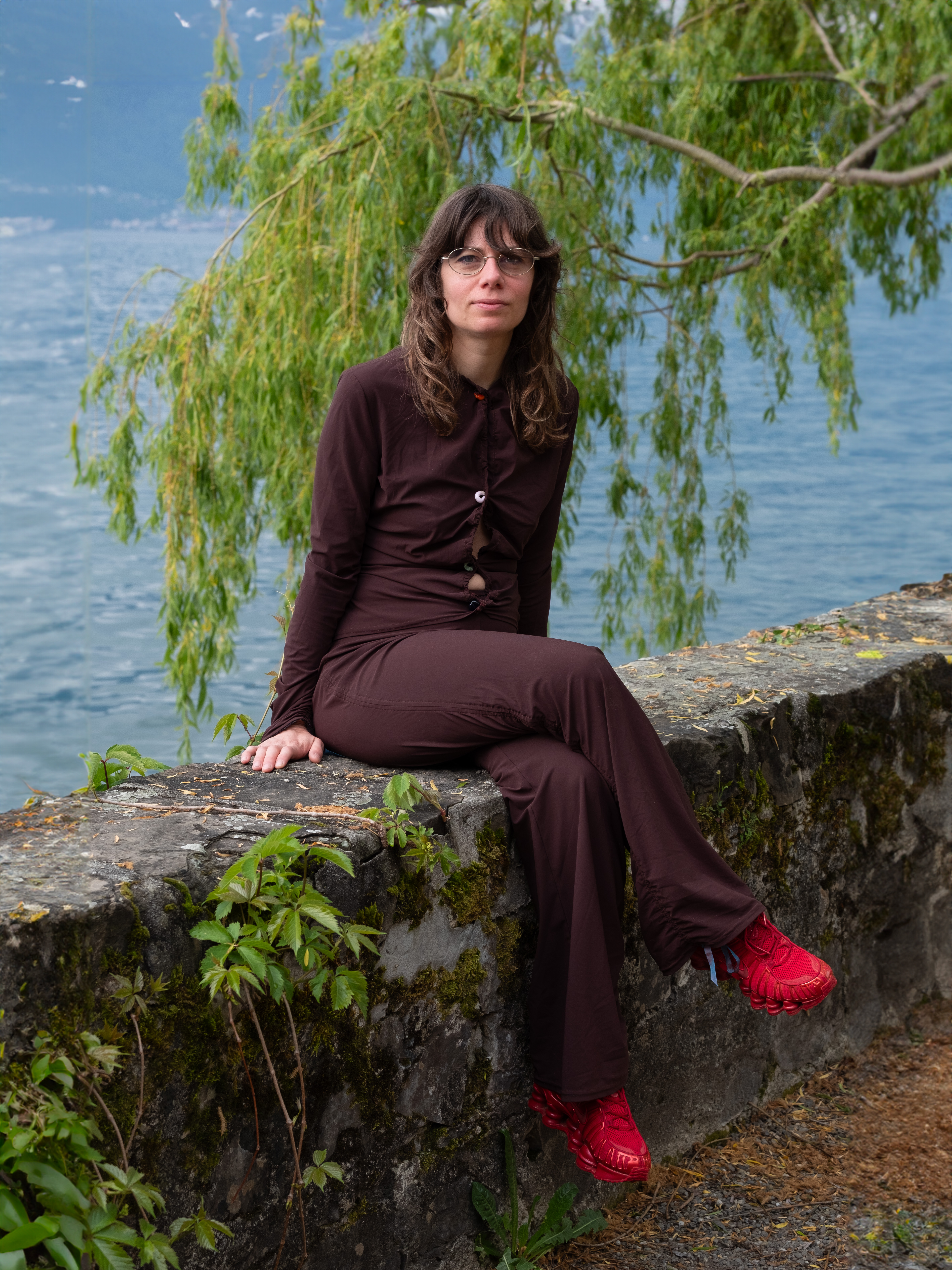
Marion Vasseur Raluy is an independent curator and writer based in Paris. Her practice moves between curating and writing, with a particular interest in the intersection between contemporary art and lived experience. She is currently director of CAC Brétigny and is working on a text about living with a chronic illness.
What is your favorite space for seeing art?
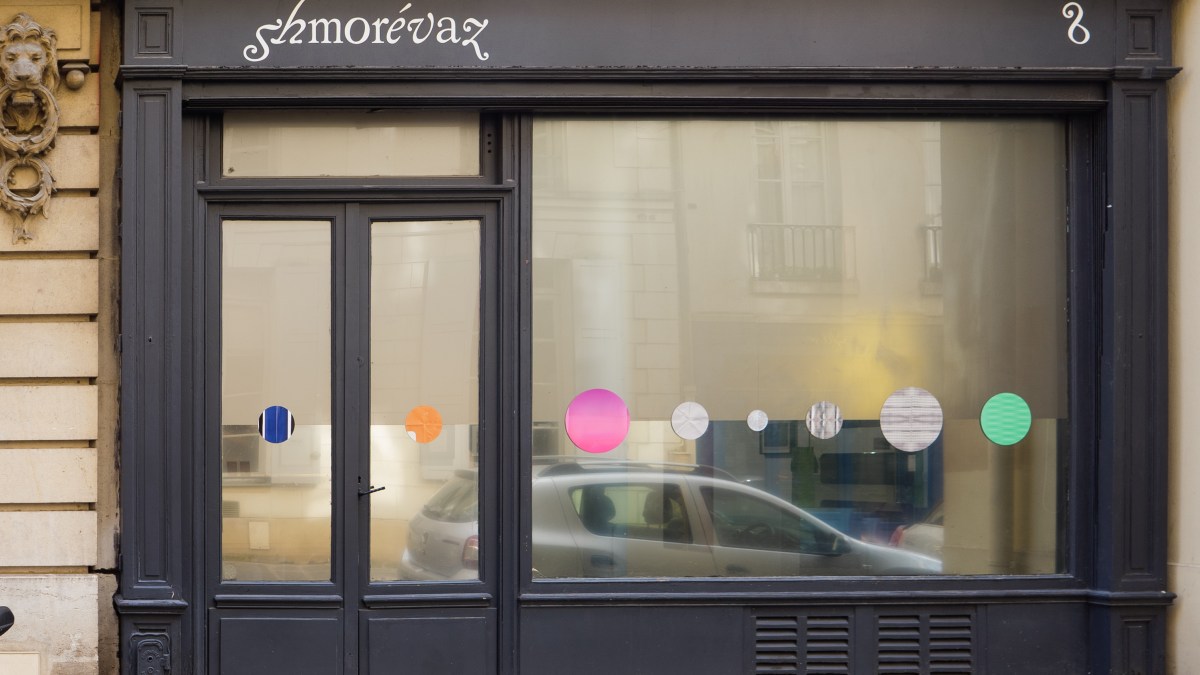
There’s not just one place. Start by looking at what’s happening around Paris and you’ll see that art goes far beyond the city’s walls, which I think is why we have such a vivid artistic scene. I think, for example, of the contemporary art center La Ferme du Buisson, run by its director Thomas Conchou, which just reopened with an amazing new exhibition by Brandon Gercara. I would also cite Bétonsalon, particularly for its field of research and the way it connects art to societal issues. It’s currently run by an amazing team, with Émilie Renard as its director.
I think it’s important to look at independent spaces too, like the amazing project run by Salomé Burnstein and Alexis Debonnis, Shmorévaz, which has brought very important international artists to France who really need to be included in the conversation here. And I would also say to be aware of, and curious about, some of the new initiatives coming from gallerists, like Spare Room in the 20th arrondissement, and Pony in Montreuil. I think all of these places are part of what makes the scene so interesting right now.
What is your favorite album about your city?
There’s one album that I bring with me everywhere. It’s starting to get a little old now, but Frank Ocean’s Blonde has kind of been a leitmotiv for me for many years.
What is your favorite book about your city?
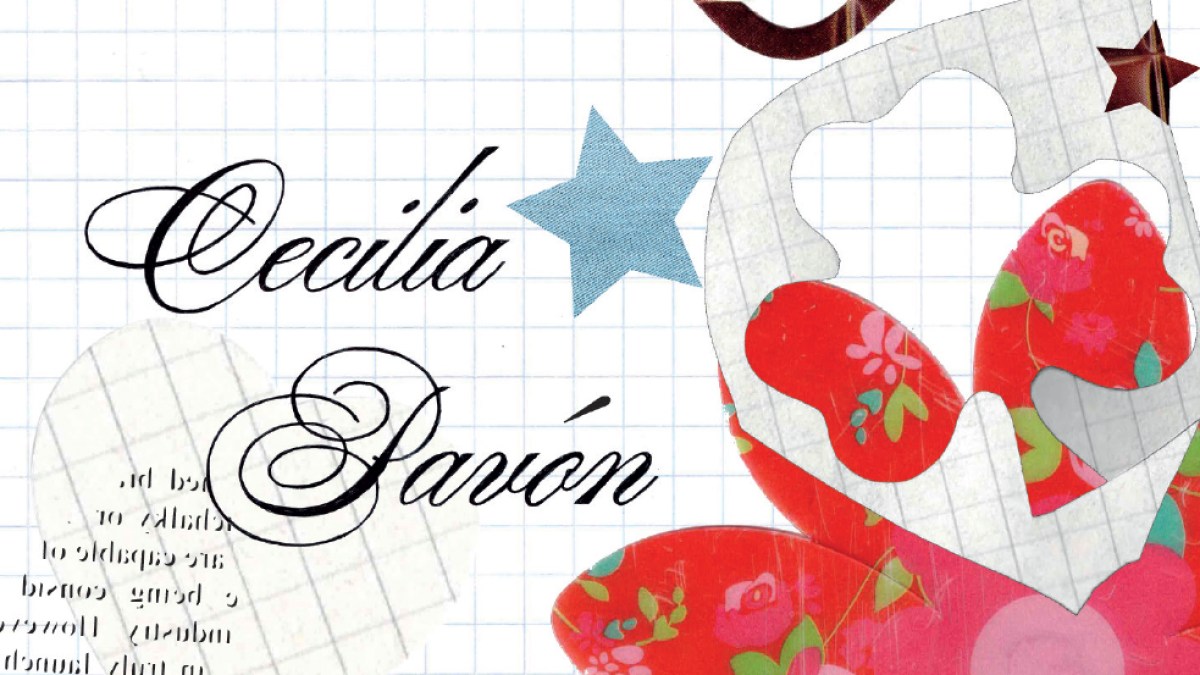
I don’t have one specifically about Paris. I guess I’m more interested in books that are connected to a city’s feeling or atmosphere. In that sense, I think of a book that I co-translated into French a few years ago with Brook and Varichon & Cie., called Bonbons à l’anis (Licorice Candies), by this amazing Argentinian poet, Cecilia Pavón. She talks about what it means to come from a small city and arrive in Buenos Aires. There’s this feeling that I think we share when we move from one place to a much bigger place, like Paris. It reminds me of the feeling I had when I visited Buenos Aires — being a stranger but still being surrounded and welcomed by this gigantic city. I find that poetry is very good at addressing the many feelings you can have when you live in a city: desire, attraction, weirdness, loneliness, but also love. And I think an artwork can give you those same feelings.
A Favorite FIlm?
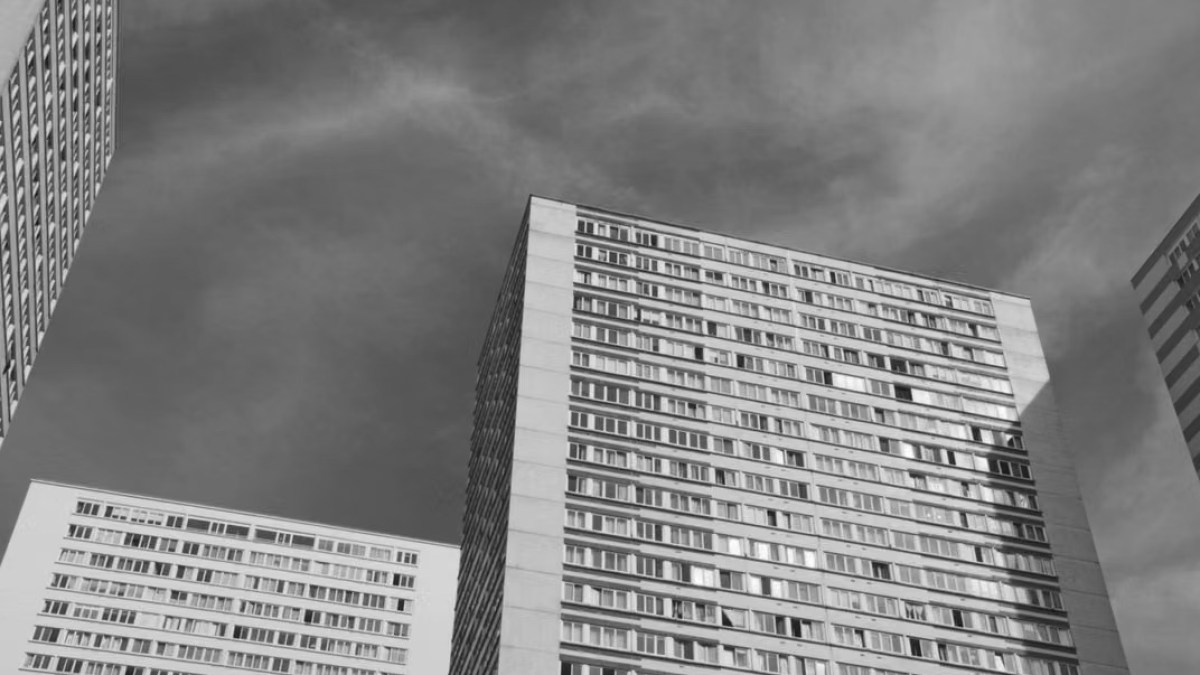
This is more of an anecdote, but I’m currently living on a private street where some scenes from Jules et Jim were shot by François Truffaut, in the 20th arrondissement. I guess that’s a specificity of Paris as well: Anywhere you live can suddenly turn into a movie set. I used to live in the 13th arrondissement, where Jacques Audiard’s Les Olympiades (2021) was shot. So, any corner can suddenly remind you that a movie was filmed there. And you don’t really know if it’s the corner that made the movie happen, or if the corner became special because of cinema.
But Paris isn’t just a décor, and it shouldn’t be seen only as one. It’s also a place with social issues, where people are fighting for their rights. You can see it right now with students going out into the streets and asking for better conditions at school — better buildings, heating in the classrooms, and teachers being replaced when they’re absent. So I think it’s important to remember that, behind the image of Paris that we often have through cinema, art, or literature, there’s also a city where people are living, struggling, protesting and trying to make things better.
What is your favorite public monument or sculpture?
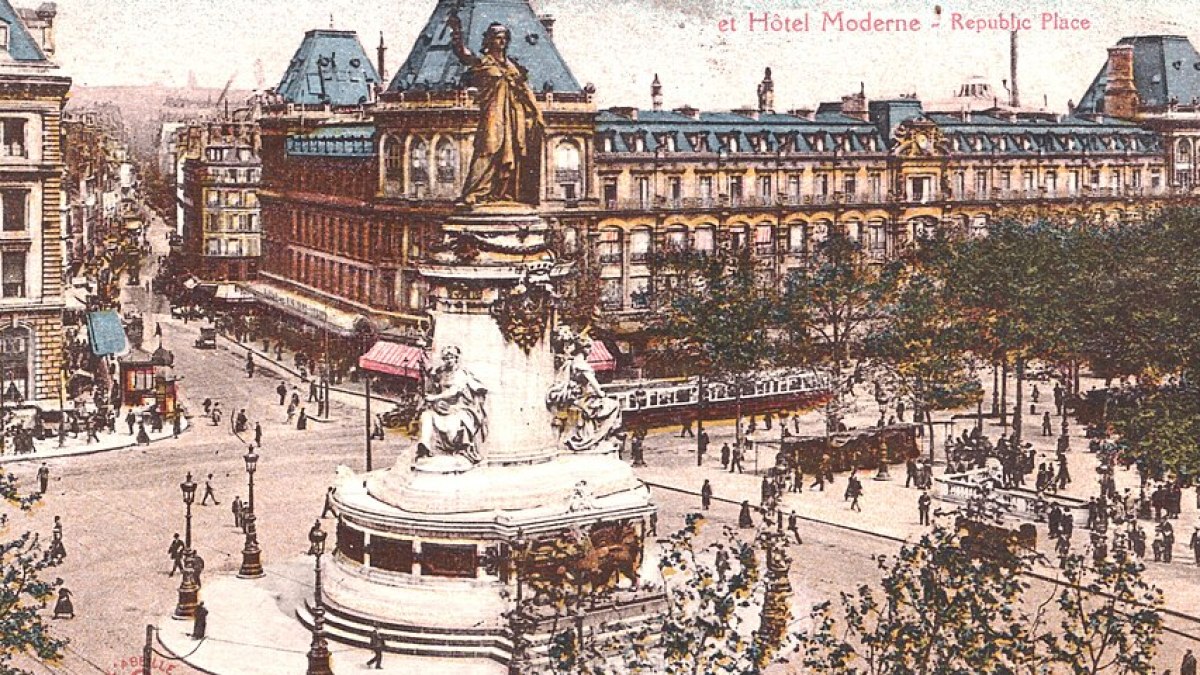
I don’t think I have one specific favorite actually. I’m more interested in the way public art becomes part of the city and of your everyday life.
There are sculptures and monuments that you pass by every day without necessarily thinking about them, and then suddenly, because of a certain light, a certain moment, or something happening around them, you see them differently.
Perhaps I would say that my favorite public sculpture is the one that you somehow forget is an artwork. It has become part of the city and your own memories, and then you realize that it has been accompanying you the entire time without ever noticing it.