Sophie Hirsch’s Venetian favorites
The Vienna-based artist answers the inaugural Artguide Questionnaire

Sophie Hirsch (b. 1986) is an Austrian sculptor based in Vienna who spends extended periods in Venice. Her work explores the human body, bodily memory, and emotional processes, bringing together opposing materials and forces to examine the relationship between strength and vulnerability.
What is your favorite space to see art in your city?
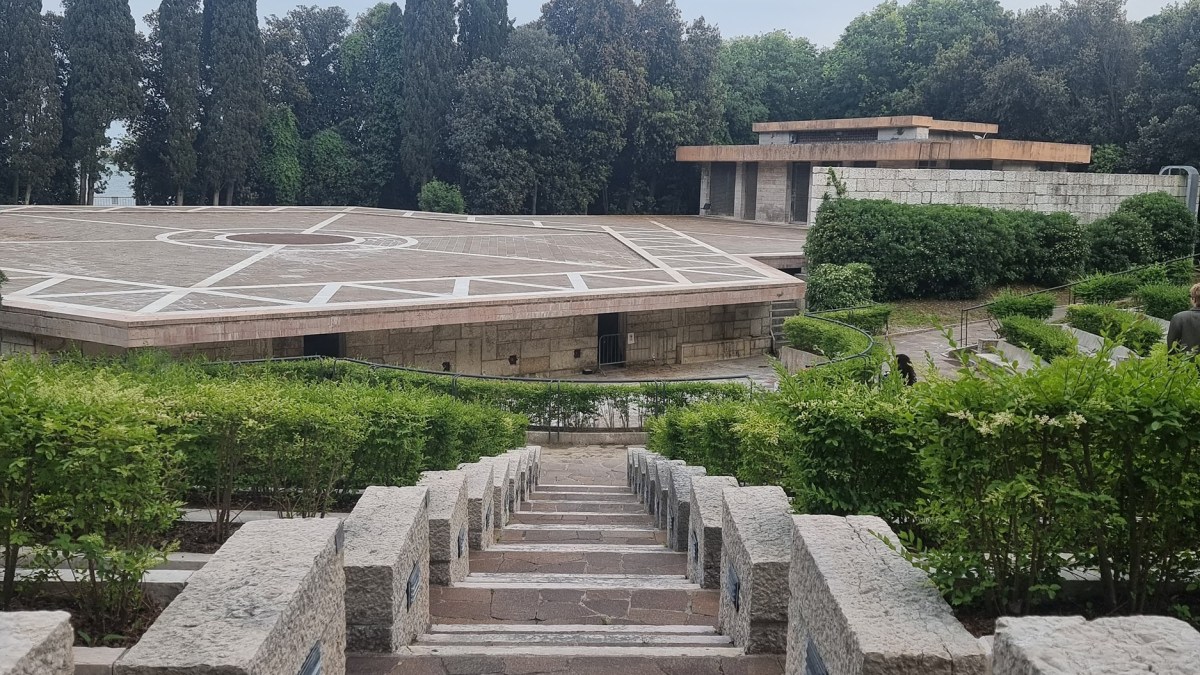
The Vatican Chapels on the island of San Giorgio Maggiore. Behind a huge amphitheater, ten chapels by international architects are tucked away in a secluded garden (my favorite is the one by Norman Foster). The whole place feels like entering a parallel universe, eerie, forgotten, with a kind of magic you can’t quite put your finger on.
What is your favorite artwork in your city?
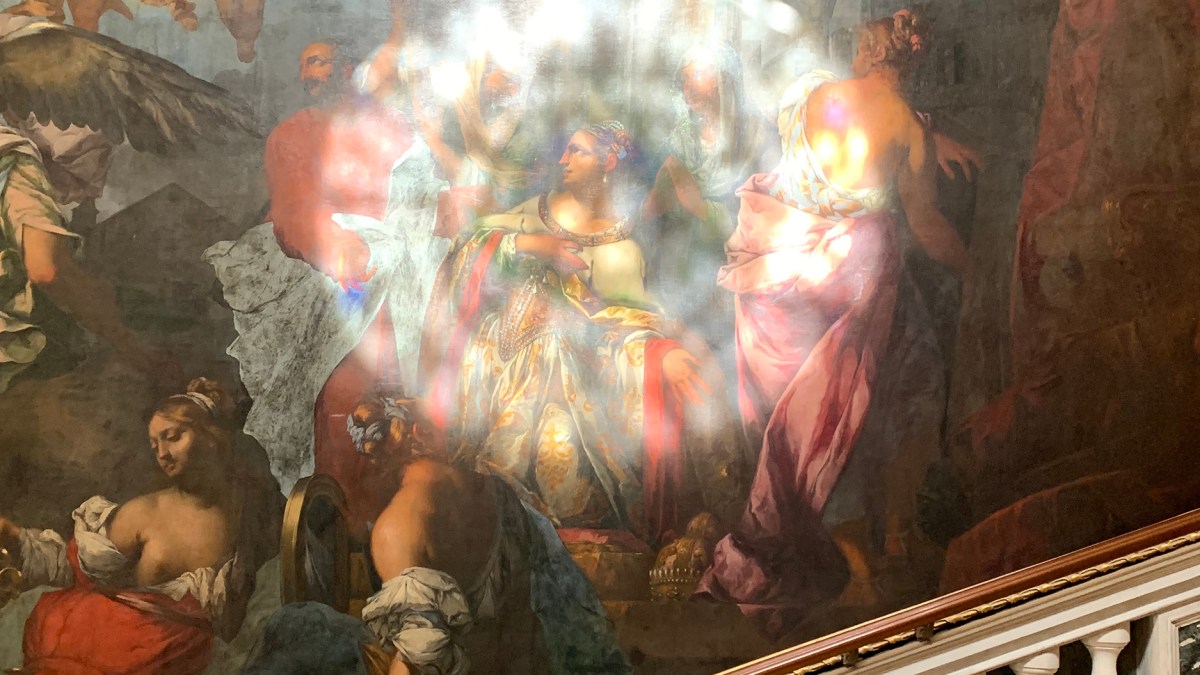
Tintoretto at Scuola Grande di San Rocco. The best part is walking through the upper hall with one of the magnifying mirrors they offer. Not only does this allow you to view the ceiling paintings without straining your neck, it also gives you a strange inversion of this intensely opulent space.
What is your favorite song/album about your city?

“Ich brauch kein Venedig” (I don’t need Venice) by Hildegard Knef. It’s a great anti-Venice song: she doesn’t need gondolas, moonlight, or any of Venice’s grand romantic gestures. All she wants is the person she loves and her regular spot at the dive bar.
What is your favorite public monument or sculpture?
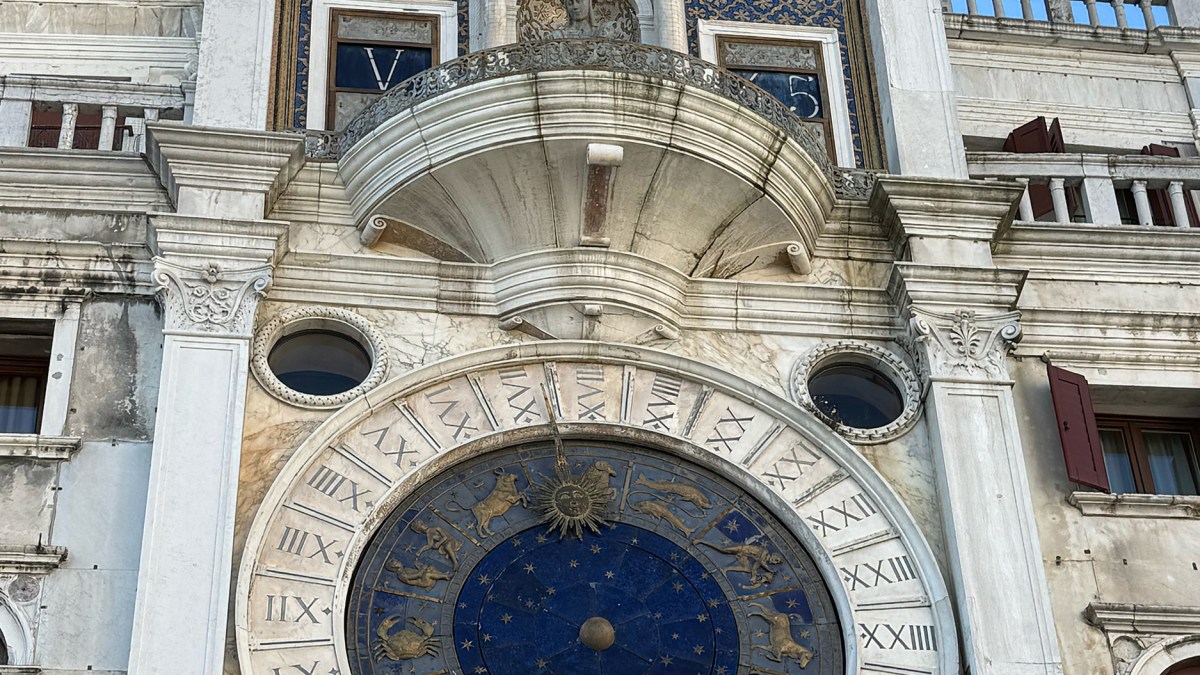
The clock at Piazza San Marco is easy to overlook with so much else competing for your attention. I love that this incredibly ornate Renaissance object tracks time, astrological cycles, and the phases of the moon. In addition to all of that, there’s an early mechanical version of a digital clock right above it.
What’s an interesting/lesser-known piece of history about your city or neighborhood?
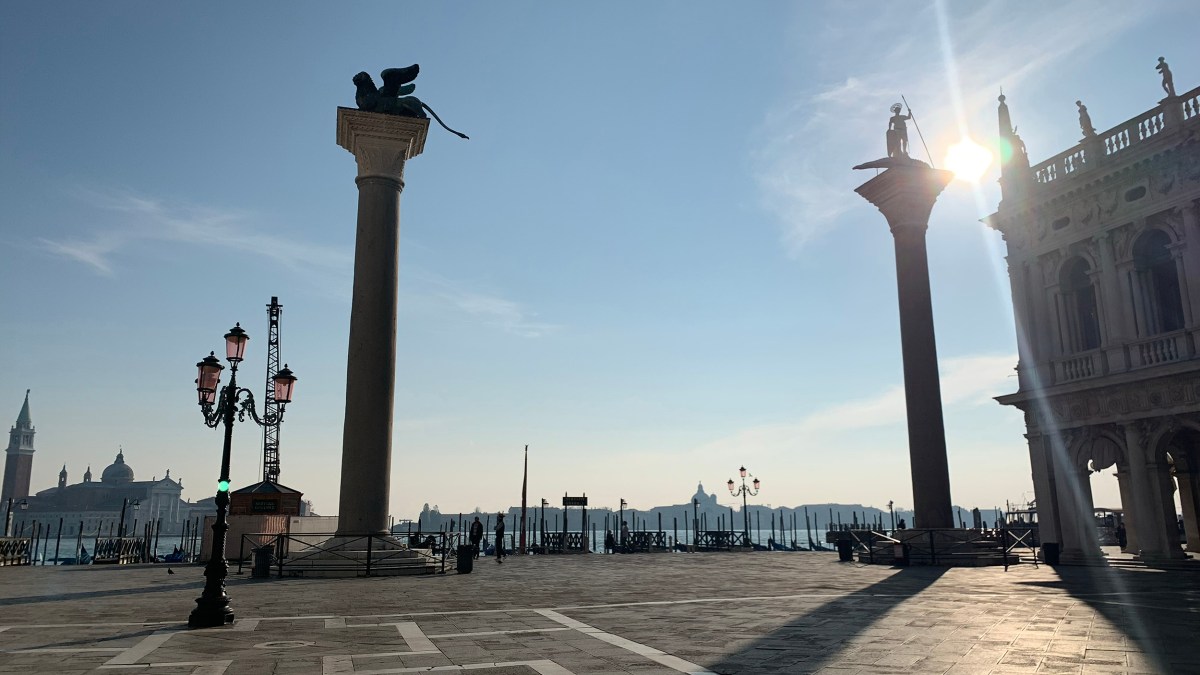
Venetians traditionally don’t walk between the two columns on Piazza San Marco because it’s considered bad luck, a superstition tied to the public executions that once took place there. The condemned would face the clock, which is where the expression “I’ll show you what time it is” comes from.
Related Stories
Liv Cuniberti's Floating City
The Venice-raised curator on glass sculptures, marble, and Carlo Scarpa